What is Solana? Simply explained
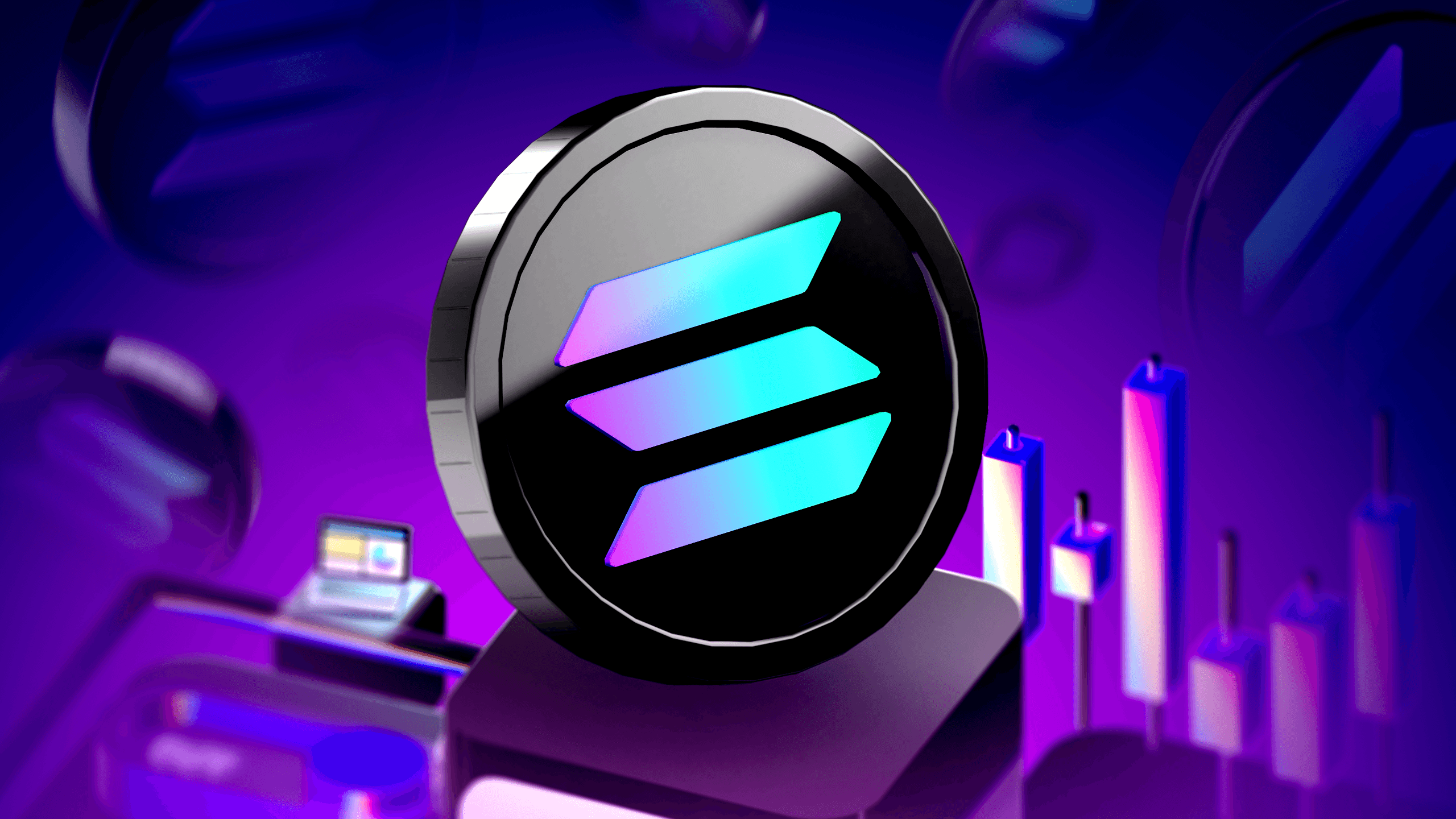
Solana is a blockchain built for speed: it processes thousands of transactions per second, confirms them in under a second, and charges fees of a fraction of a cent. SOL is its native cryptocurrency — used to pay those fees, secure the network through staking, and move value between wallets. Since launching in 2020, Solana has become one of the most used blockchains in the world and one of the largest cryptocurrencies by market value.
This guide explains how Solana works in plain English: what makes it so fast, what SOL is actually used for, how it compares to Ethereum and Bitcoin, the honest risks — and why those speed-and-cost advantages have made SOL one of the most popular ways to deposit at crypto casinos like Shuffle.
Solana, Explained Simply
Every blockchain faces the same trade-off: more users means more transactions competing for space, which on older networks means slower confirmations and higher fees. Solana was designed from the ground up to break that trade-off — to stay fast and cheap no matter how busy it gets.
It's a platform as well as a payment network. Developers build applications directly on Solana — payment tools, games, NFT projects, decentralized finance — and those applications run on the network's shared infrastructure rather than on any one company's servers. SOL is the fuel: every action on the network costs a tiny amount of it.
How Does Solana Work?
Solana's speed comes from an innovation called Proof of History — a cryptographic clock that timestamps transactions before they're processed, so the network's validators don't have to spend time agreeing on the order of events. Combined with proof-of-stake (validators lock up SOL to earn the right to confirm transactions) and the ability to process many transactions in parallel rather than one at a time, the result is a network that settles in roughly 400 milliseconds and handles volumes that would congest most other chains.
For you as a user, the technical details matter less than the effect: you send SOL from a wallet like Phantom or Solflare, and it arrives — confirmed, final — within seconds, for a fee you'll barely notice.
What Is SOL Used For?
Use | What it means in practice |
|---|---|
Transaction fees | Every action on Solana costs a small amount of SOL — typically a fraction of a cent |
Staking | Holders lock up SOL to help secure the network and earn rewards |
Applications | Games, DeFi platforms, and NFT markets built on Solana run on SOL |
Transfers | Wallet-to-wallet payments that settle in seconds |
Casino deposits | SOL is one of the fastest ways to make deposits and withdrawals at crypto casinos |
Solana also hosts tokens other than SOL. Stablecoins like USDT run on the Solana network, which means you can move dollar-pegged value with Solana's speed and fees — a combination many platforms, Shuffle included, support directly.
Solana vs. Ethereum vs. Bitcoin
Detail | Solana | Ethereum | Bitcoin |
|---|---|---|---|
Built for | Speed and scale | Applications and smart contracts | Digital money |
Coin | SOL | ETH | BTC |
Typical confirmation | Seconds | Minutes | 10+ minutes |
Typical fee | Fraction of a cent | Varies with gas — cents to dollars | Varies — often dollars |
Launched | 2020 | 2015 | 2009 |
The comparison isn't "better or worse" — it's what each was built to do. Bitcoin is the store of value; Ethereum has the largest developer ecosystem and the deepest history; Solana is where performance matters most. Plenty of users hold all three.
Is Solana Safe? The Honest Answer
Solana's strengths are real, and so are its criticisms — a good explainer gives you both.
Network outages. Solana has suffered several full or partial outages, most notably between 2021 and 2024, where the network halted for hours. Reliability has improved substantially since, with major software upgrades targeting exactly this, but the history is why some users remain cautious.
Decentralization. Running a Solana validator requires more powerful hardware than some other chains, which critics argue concentrates the network among fewer, better-resourced operators.
Volatility. SOL is a volatile asset — its price can move sharply in either direction. If you want a balance that holds steady, a stablecoin on the Solana network gives you the speed without the swings.
None of this changes what the network does well. It does mean the right habit is the same as with any blockchain: use a reputable wallet, confirm the receiving address before every transfer, and send on the correct network.
How Do You Buy Solana?
SOL is listed on every major cryptocurrency exchange:
Create and verify an account on an exchange
Deposit funds using an available payment method
Buy SOL
Withdraw it to a Solana wallet you control — Phantom, Solflare, and Backpack are the most used — or send it directly to a platform that accepts it
Confirm the receiving address and the network before sending. Blockchain transfers can't be reversed, and SOL sent to the wrong address is unrecoverable.
Using SOL at a Crypto Casino
Everything that makes Solana good for everyday transfers makes it excellent for casino play. Deposits credit in seconds rather than minutes, fees are too small to think about, and withdrawals come back to your own wallet just as fast — so small deposits and frequent cash-outs both stay practical, which isn't true of every coin.
On Shuffle, SOL deposits are accepted natively on the Solana network, and your balance stays in SOL once deposited. Our Solana casino page walks through it step by step — deposit address, supported wallets, confirmation times, and what you can play from one SOL balance.
Solana FAQ
What Is Solana in Simple Terms?
Solana is a high-speed blockchain that processes transactions in under a second for fractions of a cent. SOL is its cryptocurrency, used for fees, staking, and transfers.
Why Is Solana So Fast?
Proof of History — a built-in cryptographic clock that orders transactions before they're processed — combined with parallel processing lets Solana confirm transactions in roughly 400 milliseconds.
Is SOL the Same as Solana?
Solana is the network; SOL is the coin that runs on it. In everyday use the names are interchangeable.
How Is Solana Different From Ethereum?
Both run applications and smart contracts. Solana prioritizes speed and low fees; Ethereum has the larger ecosystem and longer track record, with higher and more variable fees. Many projects and users use both.
Can You Bet on Sports with Solana?
Yes. On Shuffle, one SOL balance covers the casino and the sportsbook, with pre-match and live markets across major sports and esports — and Solana's speed means your deposit is ready to bet almost immediately. See Solana sports betting for how it works.
Is Solana a Good Starting Point for Crypto Beginners?
Its speed and low fees make it forgiving for first transfers — mistakes are cheap to test for with a small amount first. Beginners should learn wallets, addresses, and private-key safety before holding meaningful value.
Please play responsibly. Shuffle is intended for players aged 18 and over. Gambling should stay fun — Shuffle offers gambling limits and self-exclusion tools in your account settings, and our Responsible Gambling page explains each one.